Evidence.
In an age of flawless images, I think of photography as a trace that was physically present in the world.
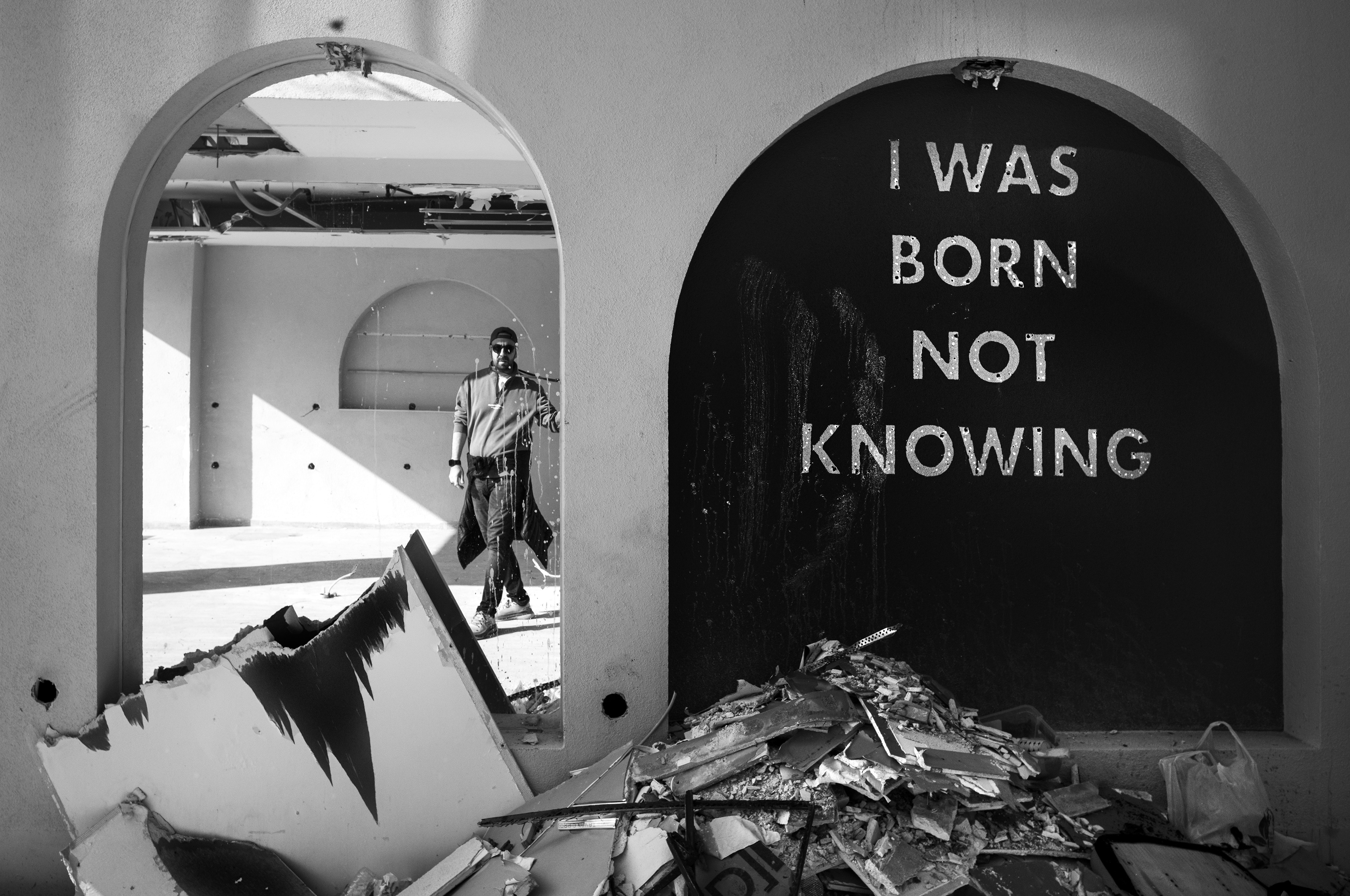
I do not photograph to make the world flawless. I photograph to preserve the places where it refuses to be.
Technology has multiplied perfect images. As perfect images multiply, actual moments become harder to recognise. I returned to the street because the street still makes mistakes — and reality is partly made of those mistakes.
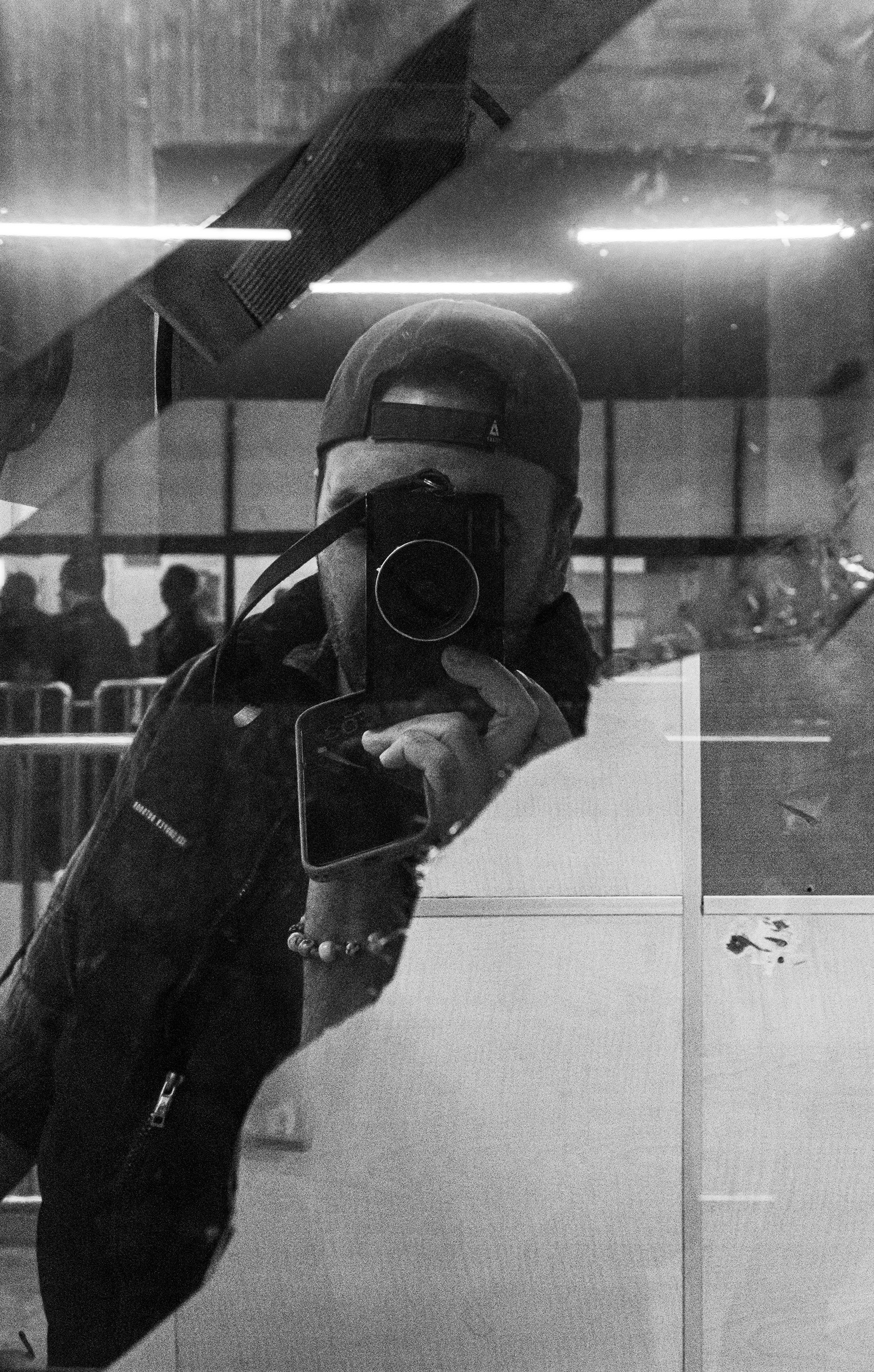
An algorithm can draw a face. It cannot carry the weight of a gaze.
Artificial intelligence can produce an image of rain. It cannot know why a person waits beneath it. It can imitate surface, grain and even accident, but it has no body that was present when light touched the scene. I am interested in that contact: not only what an image shows, but what in the world had to exist for it to be made.
Photography once said:
This happened.
Now it must also ask:
How do we prove that it really did?
The photograph is not the event. It is what the event leaves behind.
I am not trying to compete with artificial images. I am protecting the fragile agreement between light, time and presence. A photograph matters to me when it remains answerable to a moment that cannot be generated again: light touching skin, glass, stone or film; a body standing somewhere only once.
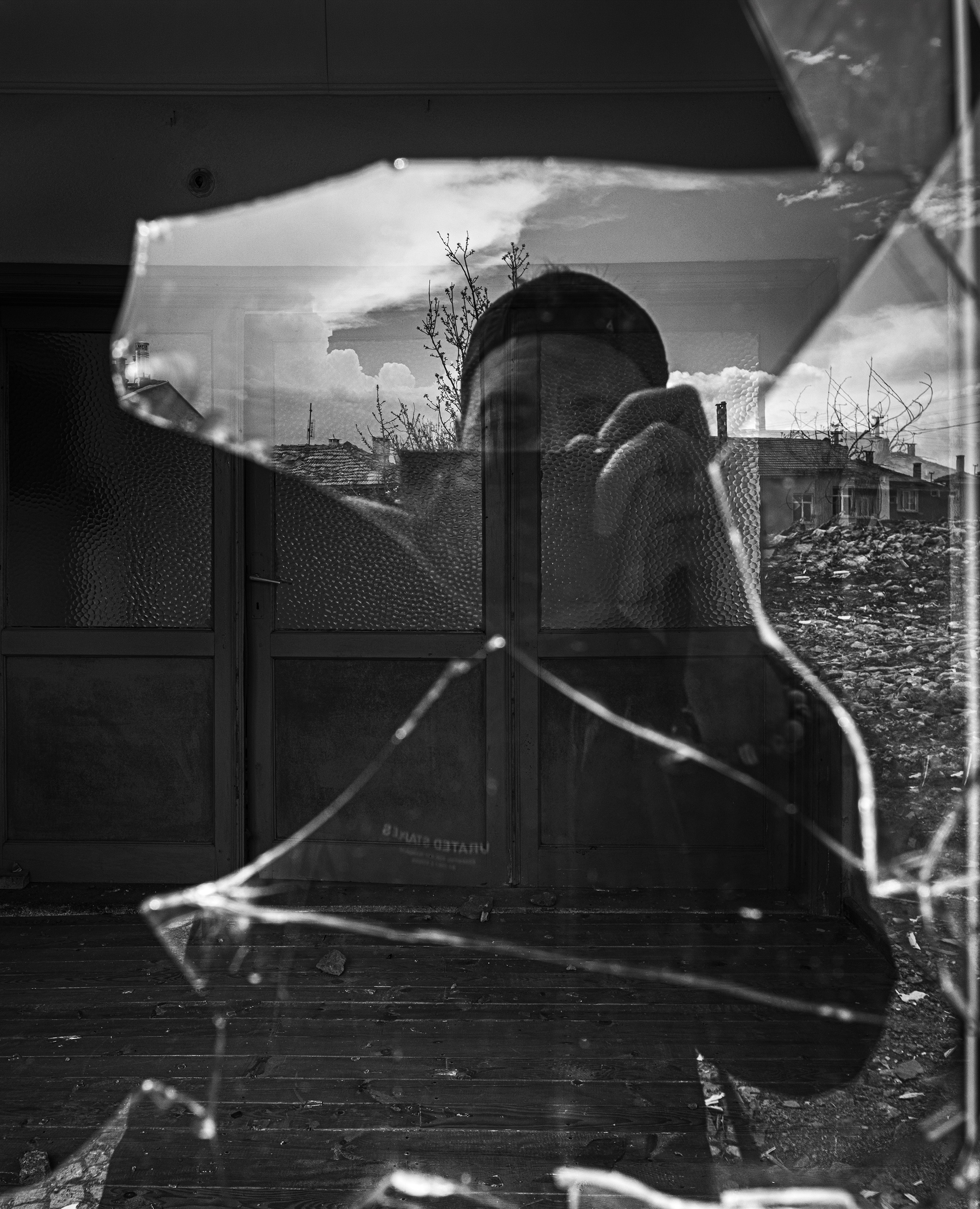
I do not make images. I collect what reality leaves behind.